









Travel guide
Cellular Jail / Port Blair
Oct 8 2024
Introduction:
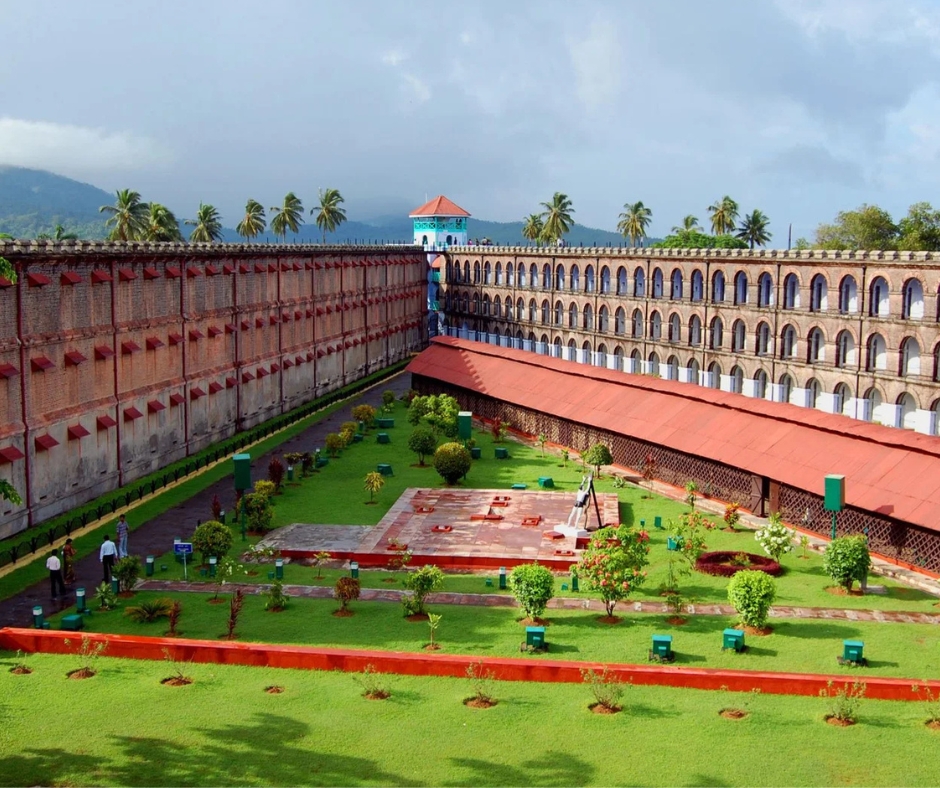
Nestled in Port Blair, the Cellular Jail is not just an architectural marvel but also a chilling reminder of India’s colonial past. Known as “Kala Pani” or black waters, this jail was infamous for the inhumane treatment of freedom fighters by the British. Today, it stands as a symbol of the countless sacrifices made by Indian revolutionaries in the fight for independence.
History of Cellular Jail:
Constructed between 1896 and 1906, the Cellular Jail was designed to isolate prisoners in solitary cells. The jail’s structure is unique, with seven wings radiating from a central tower, each resembling the spokes of a wheel. This layout ensured that the inmates remained cut off from each other, heightening the psychological torment.
Many prominent freedom fighters, including Veer Savarkar, Batukeshwar Dutt, and Yogendra Shukla, were imprisoned here, subjected to hard labor and brutal punishments.
Significance:
The Cellular Jail holds immense significance in India’s history. The British used it to imprison those who participated in the struggle for independence, making it a symbol of both suffering and resilience. Despite the hardships, prisoners organized protests, hunger strikes, and even secret meetings, keeping the spirit of freedom alive.
Key Features of the Jail:
- Solitary Cells: The prison had 693 cells, each measuring 4.5 meters by 2.7 meters, built to ensure that prisoners had no interaction with one another.
- The Central Tower: The central watchtower served as the main surveillance point for the guards. From here, every wing of the jail could be observed, maintaining strict control over the prisoners.
- Torture and Punishments: The inmates were subjected to extreme hardships, from forced manual labor to physical torture. Many freedom fighters lost their lives to the brutal conditions within the jail.
- Veer Savarkar’s Cell: One of the most famous prisoners of Cellular Jail, Vinayak Damodar Savarkar, spent many years in solitary confinement here. Today, his cell is a major attraction for visitors.
Visiting the Cellular Jail Today:
Today, the Cellular Jail is a national monument and a pilgrimage site for every Indian who values freedom. Visitors can tour the historic structure and see the remnants of this grim chapter in India’s history. The Light and Sound Show held every evening is one of the main attractions, recounting the history of the freedom struggle and the stories of the revolutionaries imprisoned here.
Tips for Visiting:
- Location: The Cellular Jail is located in Port Blair, the capital city of the Andaman and Nicobar Islands.
- Visiting Hours: The jail is open from 9:00 AM to 5:00 PM, with a break from 12:30 PM to 1:30 PM.
- Entry Fee: A nominal entry fee is charged, and separate tickets are available for the Light and Sound Show.
- Best Time to Visit: The winter months, from November to March, are ideal for visiting, as the weather is pleasant.
Conclusion:
The Cellular Jail is more than just a historical monument. It stands as a powerful symbol of India’s resilience and the sacrifices made by countless freedom fighters. A visit to this somber site is a moving experience, reminding us of the price that was paid for India’s independence.
0 Comments
Leave a Comment
Maybe you like
Related posts












View all posts in Travel Insight

No comments yet.